

Understanding Belly Fat After Menopause: What’s Within Your Control—and What Isn’t
While this article is primarily aimed at women, we also invite our male readers to engage. Menopause is a complex and often challenging phase of life, not only for the women experiencing it but also for those who support them. Gaining insight into the physical and emotional shifts that occur during this time can foster empathy, understanding, and better communication. By shedding light on the realities of menopause, such as changes in body composition and belly fat, we hope to make the journey more manageable for everyone involved.
The Midlife Belly Struggle Is Real
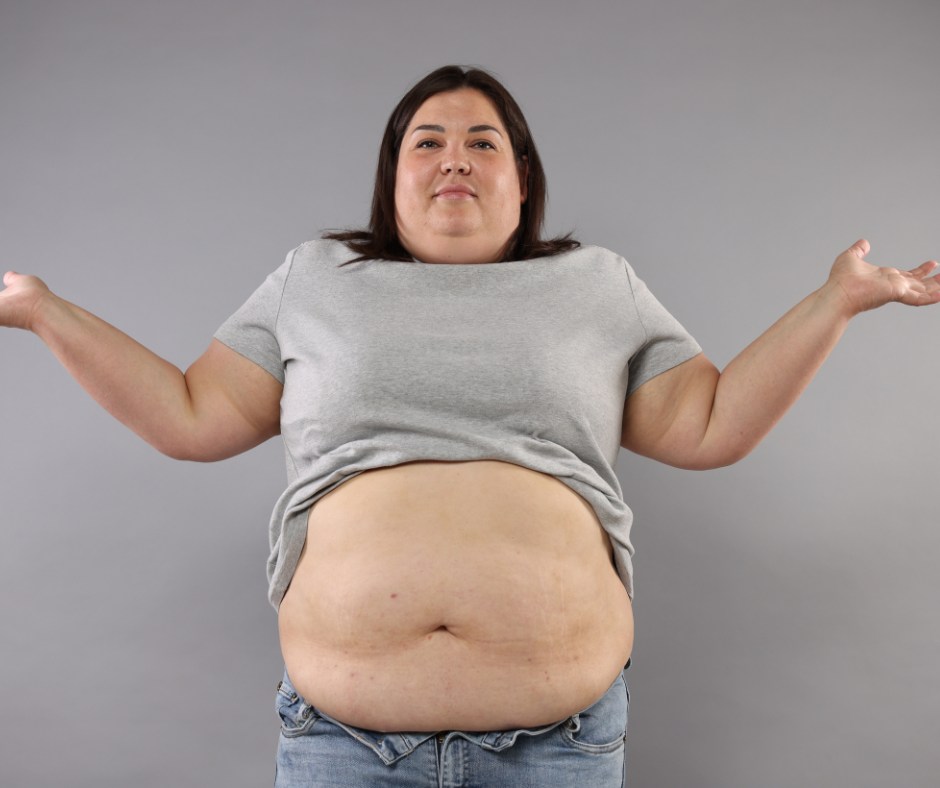
Among all the physical transitions that come with midlife, one of the most common frustrations we always hear is:
“I can’t seem to lose this belly fat, no matter what I do.”
This isn’t just a passing complaint, abdominal weight gain is a familiar issue for most women entering perimenopause and continuing through post menopause. Conversations between women in this stage of their lives often sound a lot like this: “I’ve had a soft belly for most of my life. While pregnancies certainly played a role in shaping it, it’s been in the last ten years that it’s become notably harder to shift. Even with a balanced diet and regular workouts, including cycling, swimming, strength training, jogging, and walking, my midsection remains a bit softer than I’d like.
Why Does Belly Fat Get Harder to Lose After Menopause?
Hormonal changes, especially the drop in oestrogen, play a major role in how and where our bodies store fat. Fat tends to redistribute to the abdominal area during and after menopause. When you add in the effects of cortisol, our body’s stress hormone, it becomes even harder to lose fat around the midsection.
So, even with mindful eating, regular movement, and consistent strength training, that stubborn belly fat often lingers.
But it’s about more than just aesthetics. Abdominal fat at this stage can be a sign of something deeper. The hormonal fluctuations of menopause increase our tendency to accumulate fat around the organs, even if our lifestyle hasn’t changed much.
Is It Something We Just Have to Accept?
While it’s tempting to shrug it off with, “Everyone’s got a bit of a tummy after 50,” ignoring it completely isn’t ideal either.
That’s because not all belly fat is harmless.
Two Types of Belly Fat—And Why It Matters
There’s the soft fat just under the skin, called subcutaneous fat. While it may be unwelcome, it’s not usually harmful.
Then there’s visceral fat, the kind that wraps around your organs. This deeper fat is linked to chronic conditions like inflammation, heart disease, insulin resistance, and type 2 diabetes.
When Should You Be Concerned?
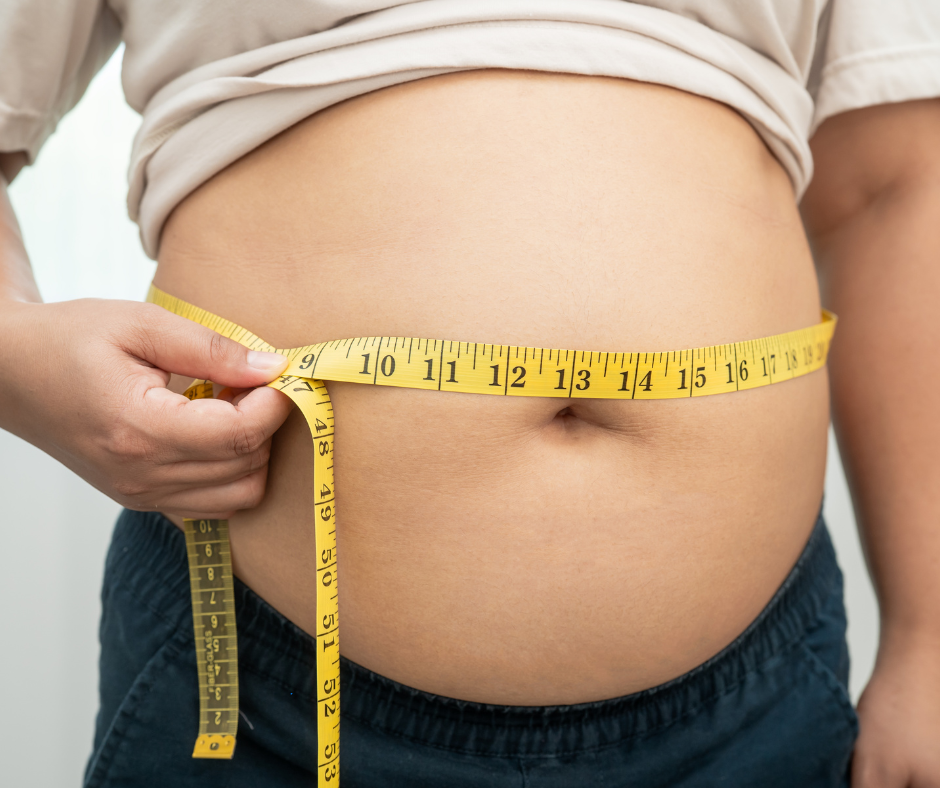
A waist circumference of more than:
- 88 cm (35 inches) for women
- 100 cm (40 inches) for men
These numbers may be a cause for concern. But more important than a tape measure is the combination of belly fat with other signs like elevated blood pressure, poor cholesterol levels, or abnormal blood sugar. These could point to more serious metabolic issues.
That’s why it’s crucial to approach midlife belly fat with awareness, not judgment.
Booking a medical check-up and requesting relevant blood tests is a good step toward understanding your personal risk.
That said, the surface-level tummy rolls often seen during and after menopause is usually more of a cosmetic concern than a health risk. It’s not a sign of failure, it’s biology.

What Can You Actually Do to Improve It?
There are evidence-based ways to reduce harmful abdominal fat and improve overall health:
- Incorporate strength and resistance training
- Include some high-intensity interval sessions
- Eat enough protein each day
- Manage stress effectively
- Prioritize good sleep habits
These strategies can improve your body’s sensitivity to insulin, reduce inflammation, and enhance your metabolic health. A completely flat stomach might not be realistic, but that’s not the goal. Building strength and resilience is what matters most.
A Final Word: It’s Not Just About Looks
Having some belly fat is part of being human. After menopause, it becomes more about physiology than personal effort.
This doesn’t mean you stop trying, but it does mean shifting your goals from perfection to progress.
Minimizing processed carbs, watching your alcohol intake, choosing nutrient-rich foods, training your muscles, and sleeping well are all proven habits that support health and longevity. Experts like Dr. Peter Attia (Outlive) and Dr. Stacy Sims (Next Level) recommend these steps for good reason: they work.
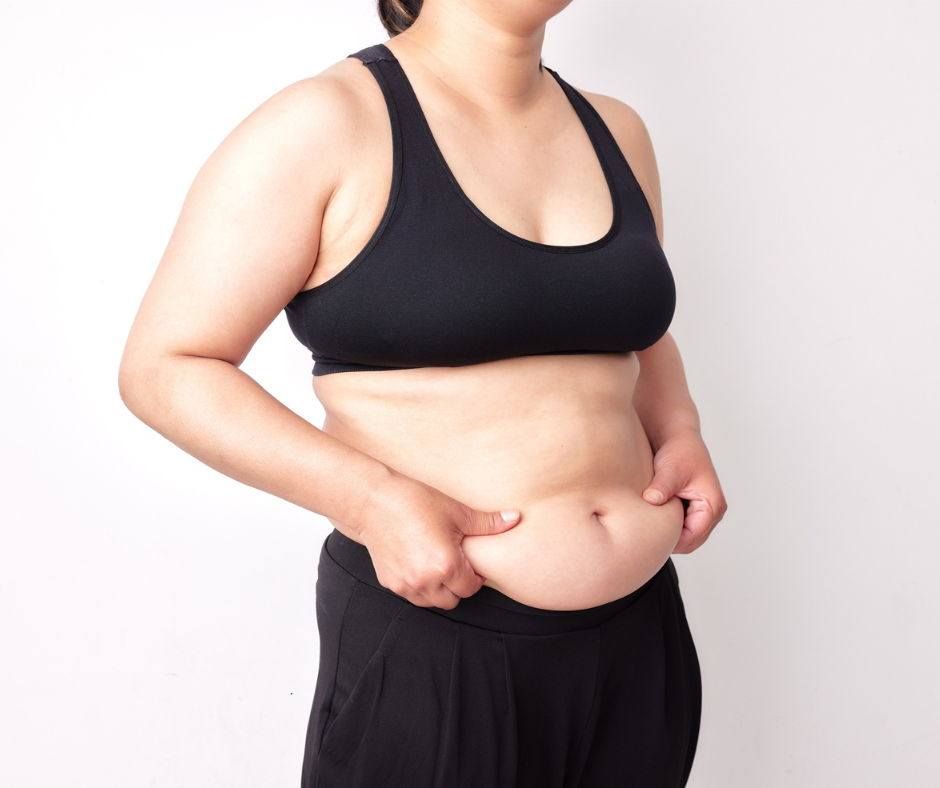
Embracing Reality with Strength and Grace
Even if you tone up, slim down, and feel stronger than ever, you might still carry a little extra around the waist.
That doesn’t make you weak. It makes you real.
Both Sims and Attia agree it’s extremely difficult for postmenopausal women to eliminate belly fat entirely. A small amount is not only common but also expected.
So maybe the real gift of this life stage isn’t just stronger muscles or smarter choices. It’s also the wisdom to act where we can, and the kindness to accept what we can’t.
Citations:
National Institute on Aging – Abdominal Fat and Aging
https://www.nia.nih.gov/health/abdominal-fat-and-aging
Mayo Clinic – Visceral Fat: What It Is and Why It Matters
https://www.mayoclinic.org/healthy-lifestyle/nutrition-and-healthy-eating/expert-answers/visceral-fat/faq-20058275
Harvard T.H. Chan School of Public Health – The Best Diet: Quality Counts
https://www.hsph.harvard.edu/nutritionsource/healthy-weight/best-diet-quality-counts/
Ready to Elevate Your Digital Presence?
Whether you’re in the health, wellness, or medical field, we create SEO-rich, relatable content that informs and connects with your audience. Let us help you build trust and visibility with content that truly matters.
Global MarkITing Solutions