
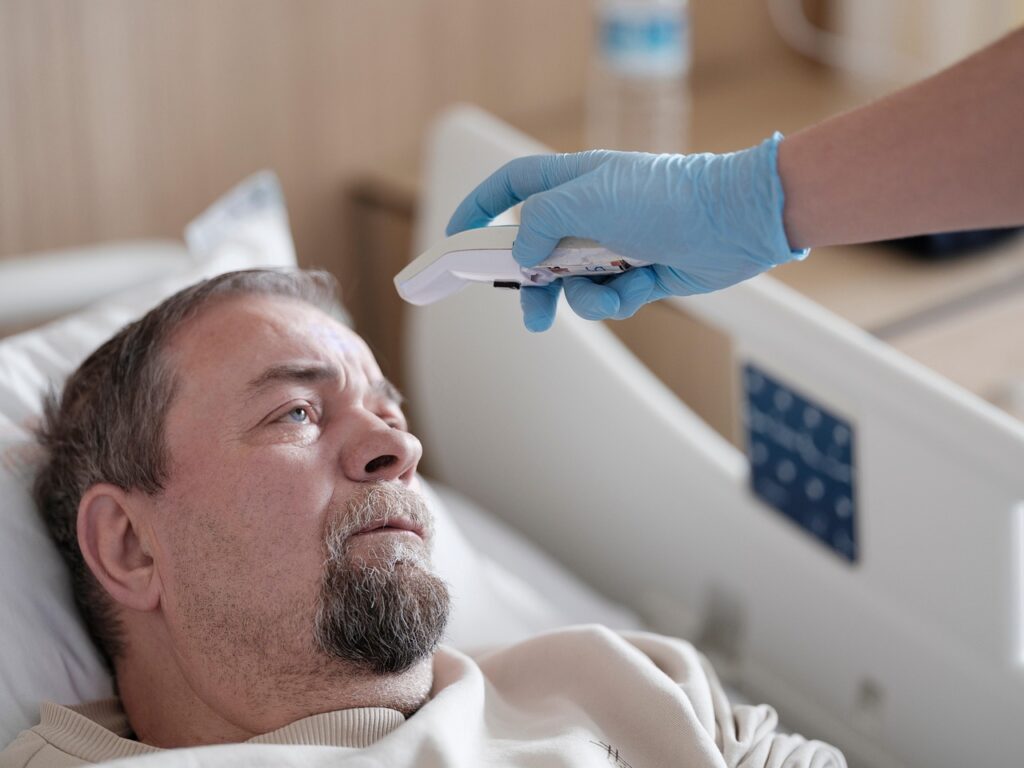
Bedside Manner vs Knowledge: How Do You Want to Be Treated as a Patient?
Explore whether kindness or clinical know-how matters more in healthcare, and how doctors can strike a balance between honesty and empathy when treating patients.
When it comes to medical care, there’s a quiet tug-of-war between two essential qualities: bedside manner and clinical expertise. As patients, we want both kindness and skill. But if you had to choose one over the other, where would you land?
Would you prefer a doctor who gently holds your hand while delivering bad news, or one who rattles off a solution with cool precision but little warmth? Is truth best delivered unfiltered, or carefully wrapped in compassion?
Let’s explore both sides of the conversation.
The Case for Bedside Manner
A good bedside manner builds trust, calms anxiety, and encourages patients to open up about their symptoms. This connection can improve treatment compliance and even health outcomes.
When you’re sick, scared, or confused, how someone makes you feel can impact how you experience their care. In fact, studies show that patients are more likely to forgive minor errors, or accept complex diagnoses, if they feel seen, heard, and respected.
“Patients may forget what you said, but they’ll never forget how you made them feel.”
In cases of chronic illness, mental health concerns, or life-altering diagnoses, bedside manner isn’t a soft skill, it’s essential.
The Argument for Clinical Knowledge
That said, nobody visits a doctor just for empathy. We go for answers, diagnoses, and treatment plans. A warm smile won’t save a life without the knowledge to back it up. In critical or emergency settings, clinical accuracy trumps charm every time.
A highly skilled but blunt doctor might say, “You need surgery immediately as waiting could kill you.” It may not be sugar-coated, but it’s clear and action-oriented. Sometimes, clarity and directness are lifesaving.
Direct vs Gentle: Do We Want the Truth or Comfort?
Some patients want the hard facts, no fluff. Others prefer a gentler approach, especially when facing serious news. The real challenge for healthcare providers is knowing which type of communicator the patient needs them to be.
For example:
- Saying “You have cancer” bluntly may seem cruel.
- But over-softening it to “We found something concerning” can delay the patient’s grasp of urgency.
Tone and timing are everything. A good doctor knows how to read the room, and their patient.
The Ideal: Striking a Balance
The best care happens when bedside manner and knowledge work in tandem. The doctor who explains your diagnosis clearly, treats you like a person (not a case number), and gives you space to ask questions is the one we remember and return to.
It’s not about coddling or being clinical. It’s about communication with purpose and compassion.
Do you value directness or diplomacy? Do you want the truth served straight up or with a teaspoon of sugar?
At the end of the day, every patient is different. But what we all deserve is a healthcare experience that blends honesty with humanity.
If you’re a healthcare provider looking to improve patient communication, or a patient navigating your medical journey, remember it’s not a choice between knowledge or kindness. It’s about bringing both to the bedside.
Global MarkITing Solutions
