
As a GP or gynaecologist, you often see female patients in their 50s who express that they don’t feel like themselves anymore. They may describe feeling irritable, emotional, or moody and experiencing a noticeable drop in libido. Many of their husbands struggle to understand these changes, leaving both partners feeling frustrated and disconnected.

This guide serves as a simple yet informative resource for both doctors and patients. It helps women gain a clearer understanding of what they’re going through and provides them with a way to explain it to their husbands. By sharing this information, couples can navigate menopause together with greater awareness, empathy, and support.
Understanding Menopause: A Guide for Men
Introduction

If your partner, mother, or loved one is going through menopause, you may have noticed changes in her mood, energy levels, or overall well-being. Perhaps she’s experiencing sudden hot flashes, struggling with sleep, or feeling more irritable than usual. These changes can be confusing or even frustrating if you don’t fully understand what’s happening.
Menopause is a natural phase in a woman’s life, marking the end of her reproductive years. However, it’s more than just the end of menstruation—it brings about significant hormonal changes that can affect her physically, emotionally, and mentally. As a supportive partner, family member, or friend, your understanding and patience can make all the difference in helping her navigate this transition.
This guide will explain what menopause is, when it starts and ends, its common symptoms, and whether hormone replacement therapy (HRT) is advisable. Most importantly, it will help you understand how to offer the right kind of support during this time.
What Is Menopause?
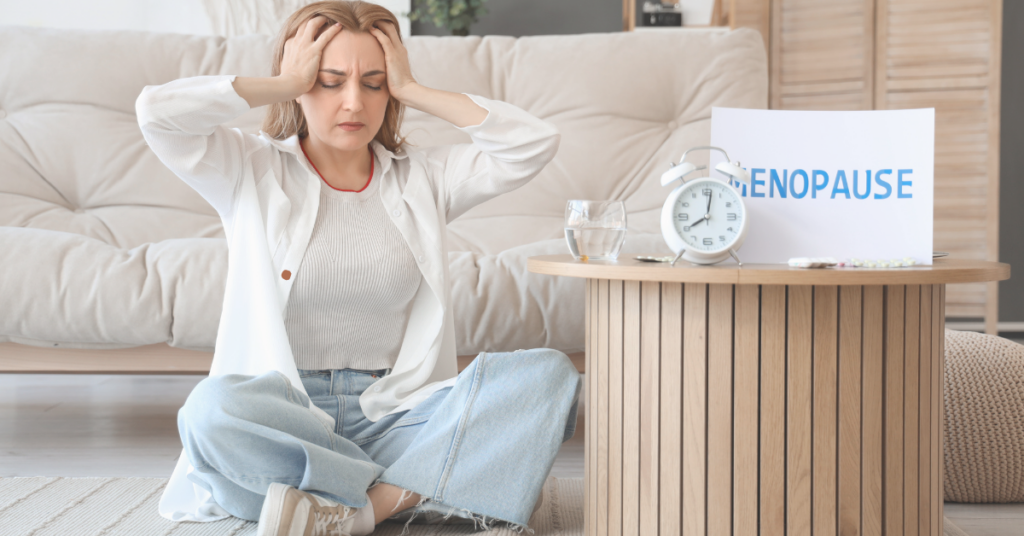
Menopause marks the end of a woman’s reproductive years, occurring when she has not had a menstrual period for 12 consecutive months. It typically happens between the ages of 45 and 55, with the average onset at 51 years (Santoro, 2016). However, some women may experience early menopause due to genetics, medical conditions, or surgical procedures such as a hysterectomy.
Signs and Symptoms of Menopause
The symptoms of menopause vary in severity and duration. Some women experience mild discomfort, while others struggle with severe symptoms that affect daily life. Here are some common signs:
1. Irregular Periods and Cessation of Menstruation
The first noticeable sign of menopause is irregular periods, which become unpredictable before stopping altogether (Maki & Thurston, 2020).
2. Hot Flashes and Night Sweats
These sudden feelings of heat, often accompanied by sweating and flushed skin, can last for several minutes. Night sweats may disrupt sleep and contribute to fatigue.

3. Mood Swings and Irritability
Hormonal changes can affect emotions, leading to irritability, anxiety, or even depression (Freeman, 2015).
4. Sleep Disturbances
Insomnia or difficulty staying asleep is common during menopause, often due to night sweats or hormonal fluctuations.

5. Weight Gain and Metabolism Changes
As oestrogen levels drop, metabolism slows down, which can lead to weight gain, especially around the abdomen.
6. Vaginal Dryness and Discomfort
A decrease in oestrogen can cause vaginal dryness, making intercourse painful and reducing sexual desire.
7. Cognitive Changes (“Brain Fog”)
Some women report difficulty concentrating, memory lapses, or forgetfulness during menopause (Henderson, 2020).
8. Bone Density Loss
Menopause increases the risk of osteoporosis by reducing oestrogen levels, which play a crucial role in maintaining bone health.
When Does Menopause Start and End?
Menopause typically begins with a transitional phase called perimenopause, which can last 4 to 10 years before the final menstrual period (Santoro, 2016). Symptoms may continue post-menopause but tend to subside over time. While some women feel relief within a few years, others experience symptoms for a decade or longer.
Is Hormone Replacement Therapy (HRT) Advisable?
HRT involves supplementing oestrogen (and sometimes progesterone) to manage menopause symptoms. It is highly effective in relieving hot flashes, vaginal dryness, and preventing osteoporosis. However, it is not suitable for every woman.
Pros of HRT
- Reduces hot flashes and night sweats
- Prevents bone loss and reduces fracture risk
- Improves sleep quality and mood stability
- Helps maintain vaginal health
Cons of HRT
- Slightly increases the risk of breast cancer with long-term use
- May increase the risk of blood clots and stroke in some women
- Not recommended for women with a history of hormone-sensitive cancers or cardiovascular disease (The North American Menopause Society, 2022)
Deciding on HRT should be done in consultation with a healthcare provider, weighing personal risk factors and benefits.

How Men Can Offer Support
Men can play a vital role in helping their partners through menopause by:
- Being patient: Mood swings and fatigue are not personal; they are hormonal.
- Educating themselves: Understanding menopause helps in offering support and empathy.
- Encouraging a healthy lifestyle: Regular exercise, a balanced diet, and stress management can ease symptoms.
- Communicating openly: Honest discussions about symptoms and emotional changes can strengthen relationships.
Conclusion

Menopause is a significant life transition, and while it can be challenging, it is also an opportunity for loved ones to step in with empathy and understanding. By learning about the symptoms, recognising the impact of hormonal changes, and being patient, you can provide invaluable support.
Encouraging a healthy lifestyle, maintaining open communication, and simply being there to listen can make a world of difference. If menopause symptoms are severe, discussing options like lifestyle changes or medical treatments with a healthcare provider can help manage them effectively.
Above all, remember that menopause is not just a biological process—it’s an emotional journey. With your support, your loved one can navigate this phase with confidence and reassurance, knowing that she is not alone.
With knowledge and understanding, men can help make their loved ones’ journey smoother.
References
- Freeman, E. W. (2015). Depression in the menopause transition: Risks in the changing hormone milieu as observed in the general population. Nature Reviews Endocrinology, 11(1), 29-38.
- Henderson, V. W. (2020). Cognitive changes after menopause: Influence of oestrogen. Frontiers in Neuroendocrinology, 57, 100839.
- Maki, P. M., & Thurston, R. C. (2020). Menopause and depression. The Psychiatric Clinics of North America, 43(2), 259-274.
- Santoro, N. (2016). Perimenopause: From research to practice. Journal of Women’s Health, 25(4), 332-339.
- The North American Menopause Society. (2022). Hormone therapy position statement.
Global MarkITing Solutions
